AI Video for Product Marketing: What Actually Works Now - slide 1
AI Video for Product Marketing: What Actually Works Now - slide 2
AI Video for Product Marketing: What Actually Works Now - slide 3
AI Video for Product Marketing: What Actually Works Now - slide 4
AI Video for Product Marketing: What Actually Works Now - slide 5
AI Video for Product Marketing: What Actually Works Now - slide 6
1/6
AI Tools

AI Video for Product Marketing: What Actually Works Now

A grounded look at where AI video generation stands for real product marketing. What tools like Seedance can do, where they still break, and how to get a clip you'd actually post.

The short version

  • AI video finally clears the bar for paying customers, not just experiments.
  • Your reference image decides whether the output looks like your product or a guess.
  • Expect to generate four clips to keep one. That's still cheaper than a crew.
  • These tools nail one strong moment, not a full coherent sequence.
  • The old gate of gear, lighting, and a five-figure budget is basically gone.

Going deeper

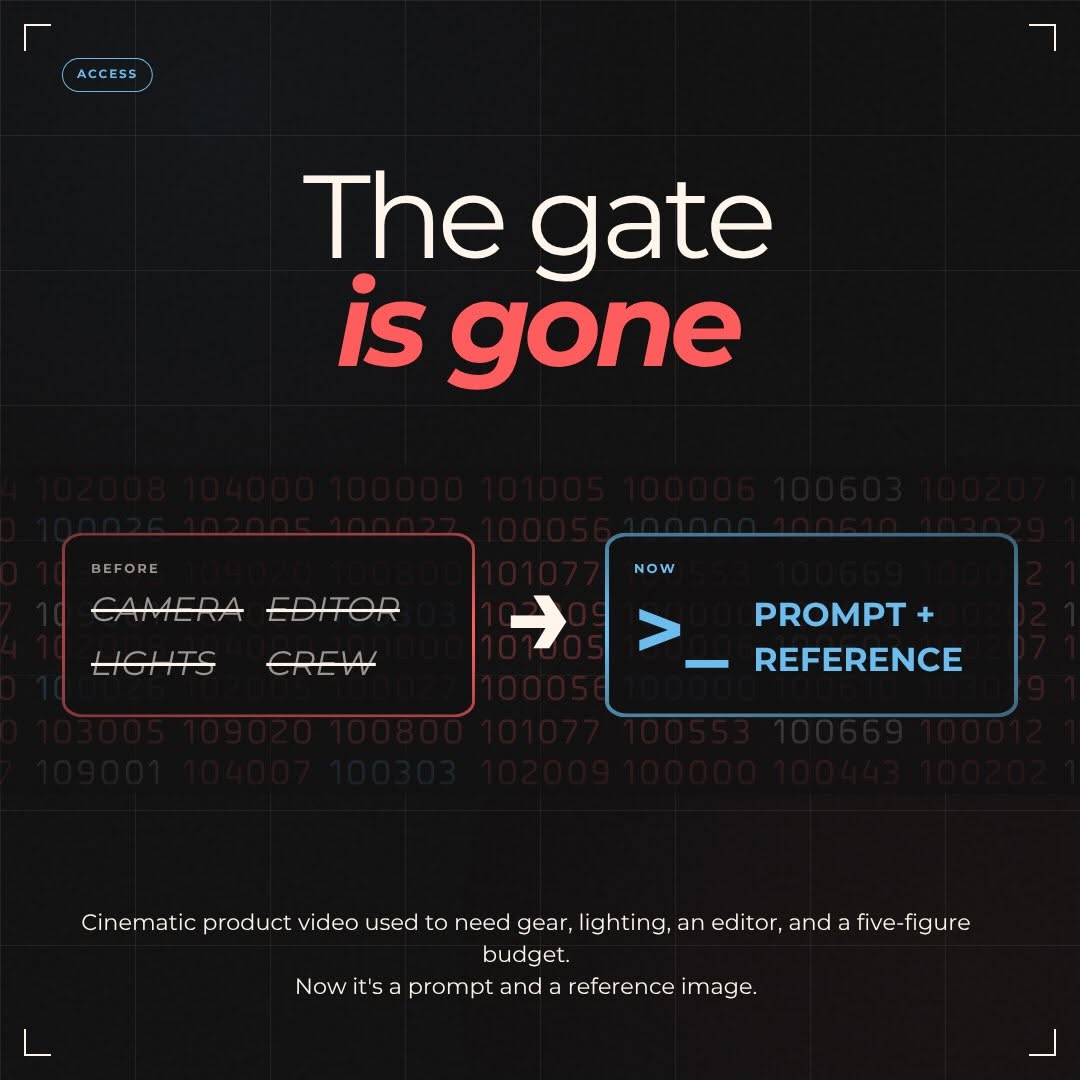
The gate is actually gone this time

Cinematic product video used to require a camera, lighting, an editor, and a budget that made most founders skip it entirely. That whole stack collapsed into a prompt and a reference image.

I've been testing AI video every year since the first shaky clips showed up. This is the first year I'd put one in front of a paying customer without labeling it an experiment.

The quality caught up to the promise. Quietly, and faster than I expected.

Why Seedance feels different

Most AI video tools work like a slot machine. You type, you pray, you get something roughly related to your idea.

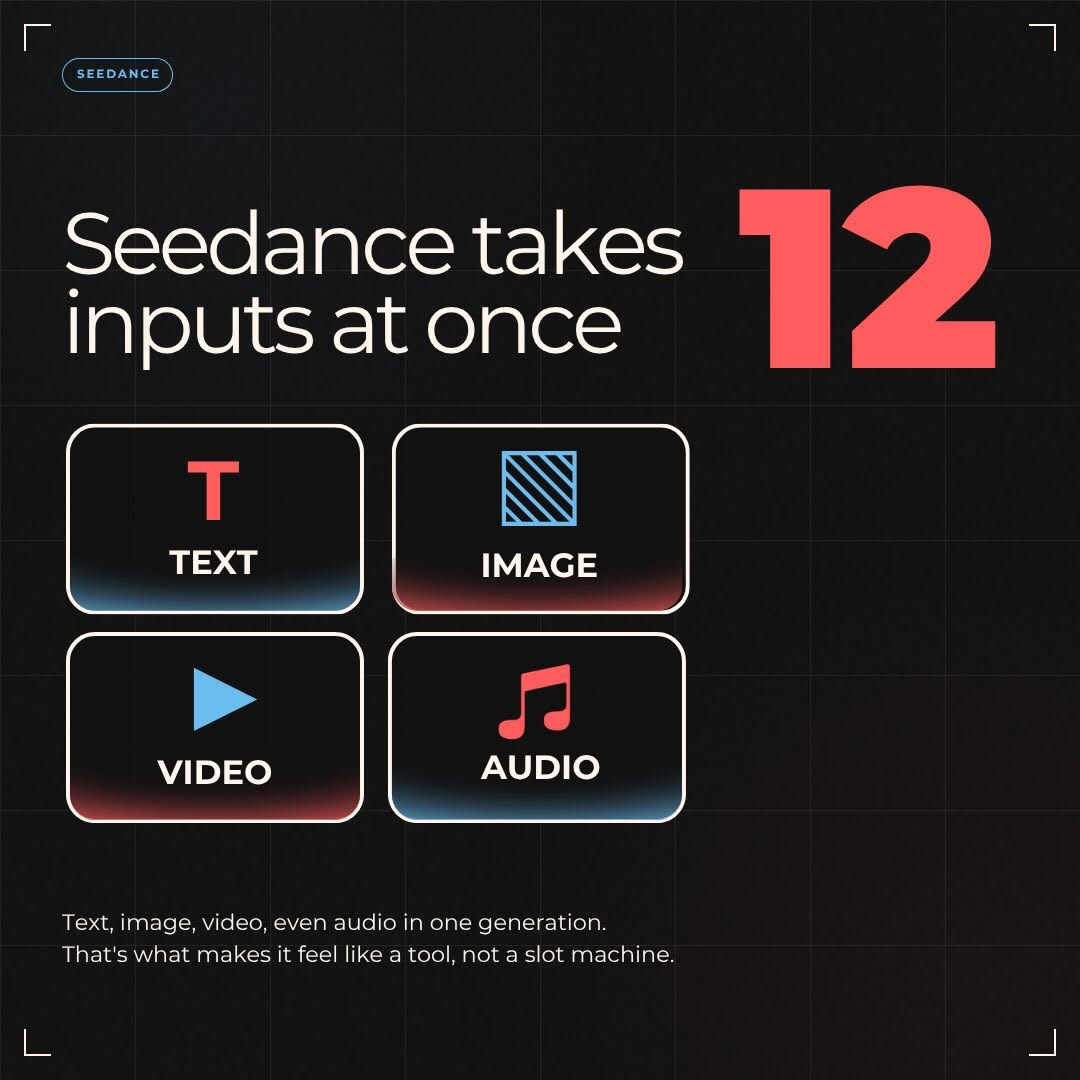
Seedance takes text, image, video, and even audio in a single generation. That combination is what makes it feel like a tool instead of a coin flip. You're giving it enough context to hold onto something real.

My read is that the multimodal input is the whole difference. When the model has your actual product in front of it, it stops inventing and starts building.

The reference image is everything

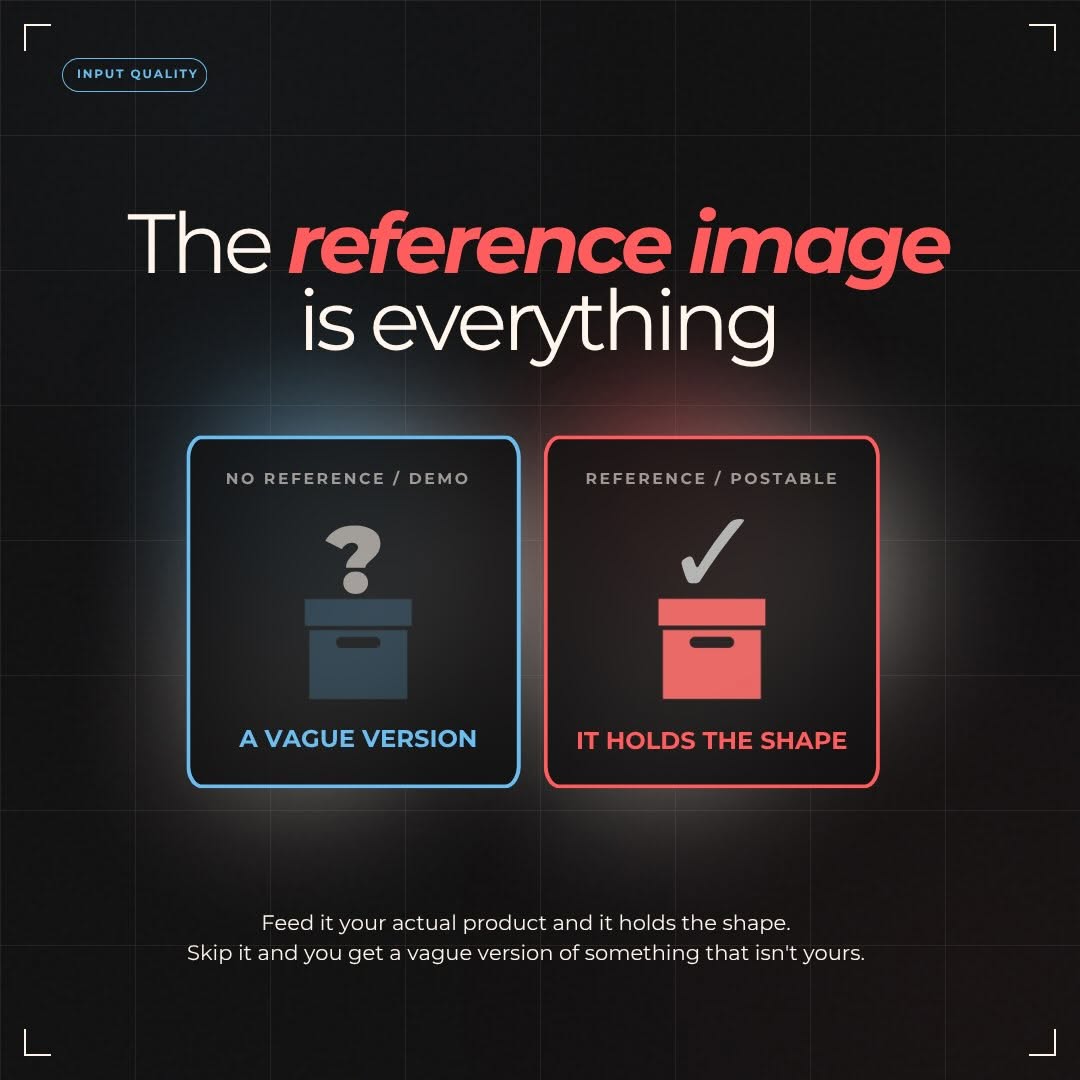
Feed it a strong reference image of your actual product and it holds the shape. The bottle stays your bottle. The label geometry survives.

Skip the reference and you get a vague version of something that isn't yours. Close enough to feel familiar, wrong enough that you can't post it.

This is the step people rush and then blame the model. One product, one idea, one clean reference image every time. The setup work is where the quality lives.

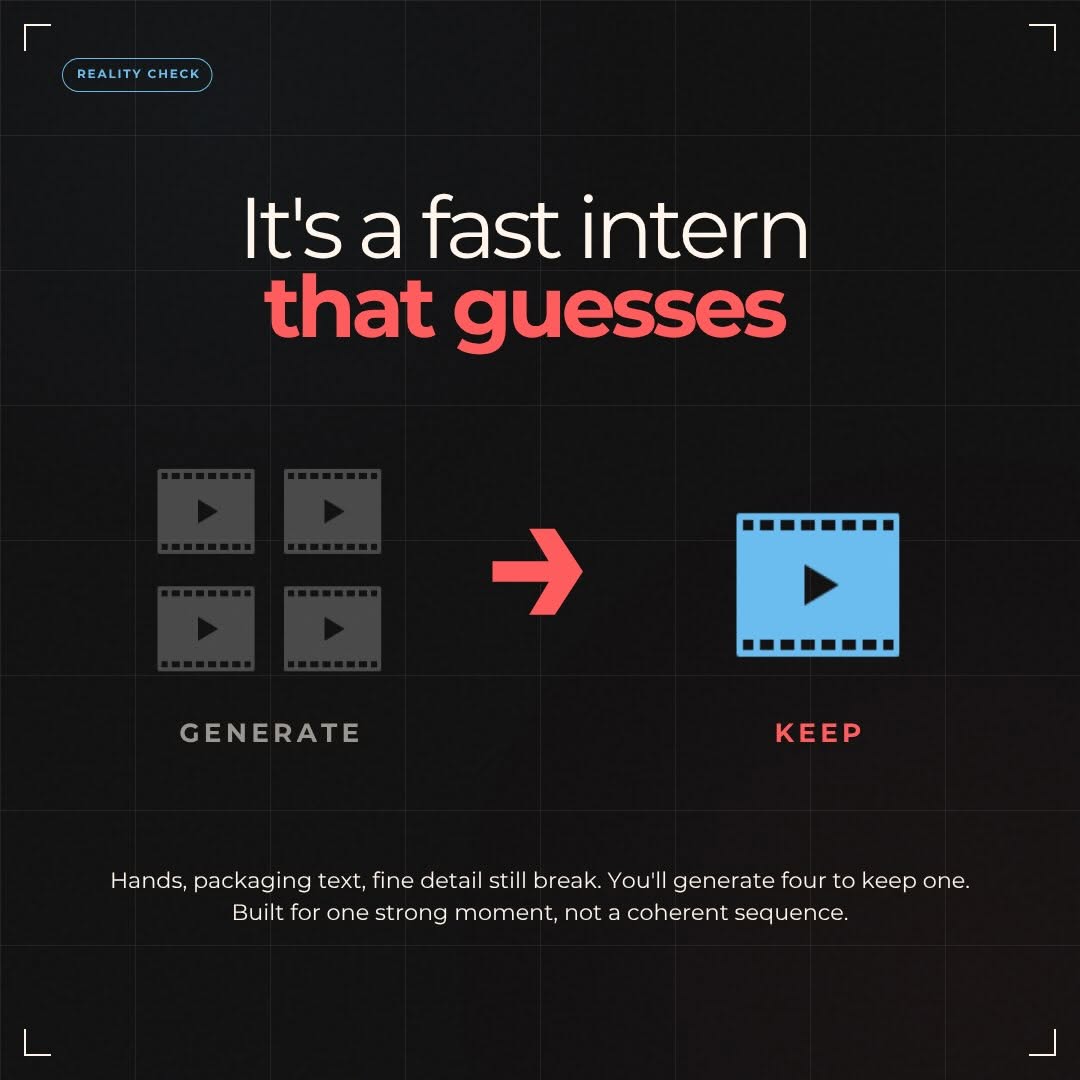
Treat it like a fast intern that guesses

AI video is not a director. It's a fast intern that guesses well and sometimes gets things badly wrong.

Hands still break. Packaging text still garbles. Fine detail falls apart under scrutiny. You'll generate four clips to keep one, and that ratio is normal, not a failure.

The honest limit is scope. These models are built for one strong moment, not a coherent thirty-second sequence. Ask for a hero shot, not a narrative.

How to not waste a weekend

The people who get burned throw a dozen ideas at it and end up with a folder of almost-good clips.

Narrow first. Pick one product, one clear idea, one reference image. Generate a small batch, keep the single best moment, and cut the rest without guilt.

That discipline is what separates a postable clip from a lost Saturday. The tool is capable now. The constraint you bring to it is what makes it usable.

Want to know more?

Book a call.

One hour, one on one. We go deep on this and apply it to your specific situation.

Book a Call

Sources